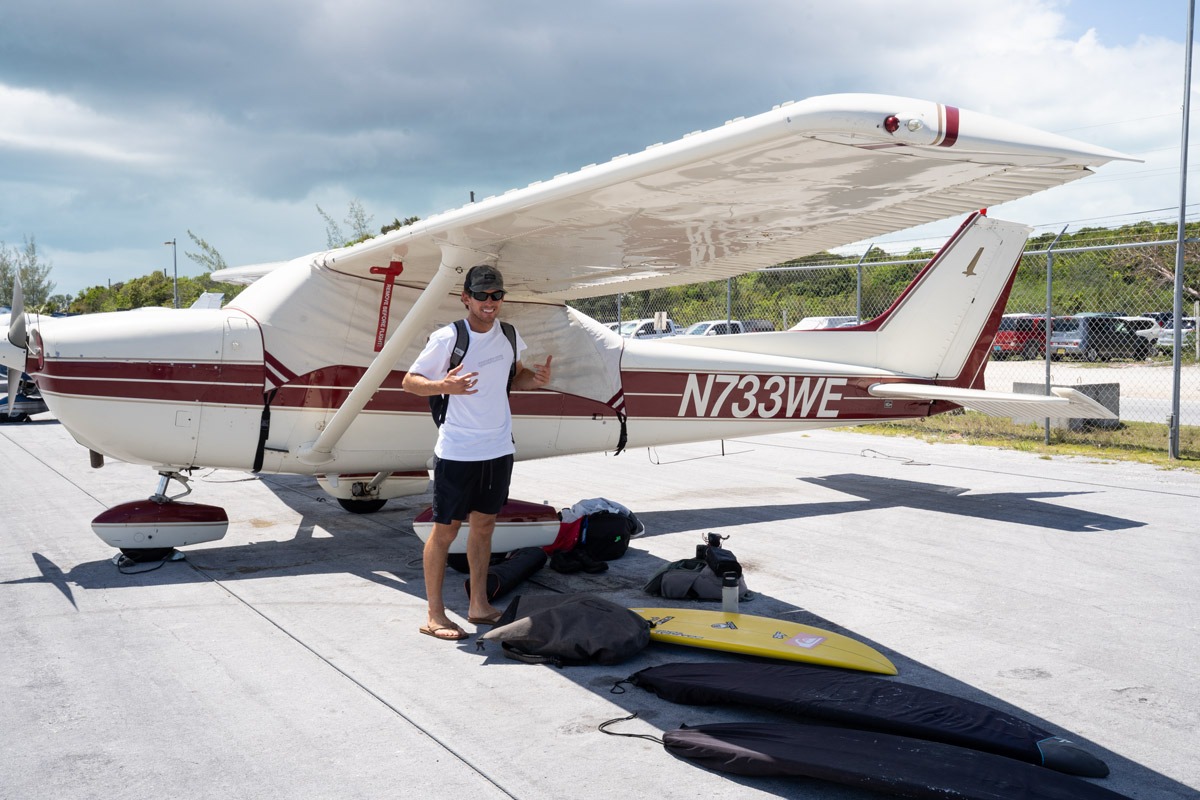
Flying at 3,000 feet has given Michael Dunphy a unique method of checking the waves and a fresh perspective on his surf career. Because the truth is that just surfing alone doesn’t pay the bills anymore.
“I know that I wouldn’t still be getting paid to surf if I was competing on the QS or Challenger Series,” said the 35-year-old from Virginia Beach.
“No one wants to see me limp around the contest scene and try to make a couple heats. Unless you’re in the top ten, there’s definitely a timeline on the competitive surfing thing.”
The regular footer spent years grinding through professional surfing’s second tier. He’s won multiple QS 1,000 events. His biggest victory came at the QS 3,000 Barbados Surf Pro during the 2021/22 season. He’s also had some sporadic Challenger Series campaigns. But like many surfers outside the elite bracket, he realised the traditional surf career model was changing fast.
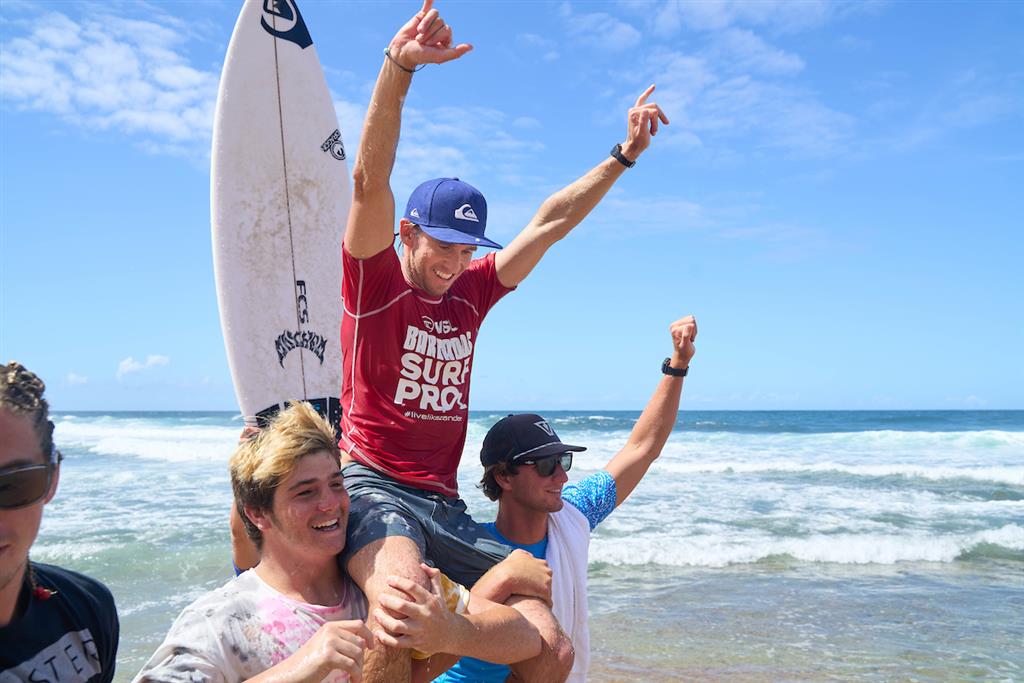
In 2026, sponsors care more about audience, personality and storytelling than contest results. Personal brand is everything. A viral reel can generate more attention than a heat win buried deep in the WSL webcast.
That’s where Michael’s 1978 Cessna comes in. The small, single-engine aircraft has become the driving force of a second act that’s transformed him from another hardworking competitive surfer into one of surfing’s more intriguing modern explorers.
“I was so used to being gung-ho and on the road all the time with the CS and then Covid hit and everything got halted,” said Dunphy.
“At the time I had a friend who was a flight instructor and I started learning with him for fun and as a way of keeping myself busy.
“I never had any interest in flying prior. Planes were always just a means to an end for me, to get from one destination to another. But everything kind of spiraled from there and next thing you know I’m a few years down the line and I’ve got my license and bought my own plane.”
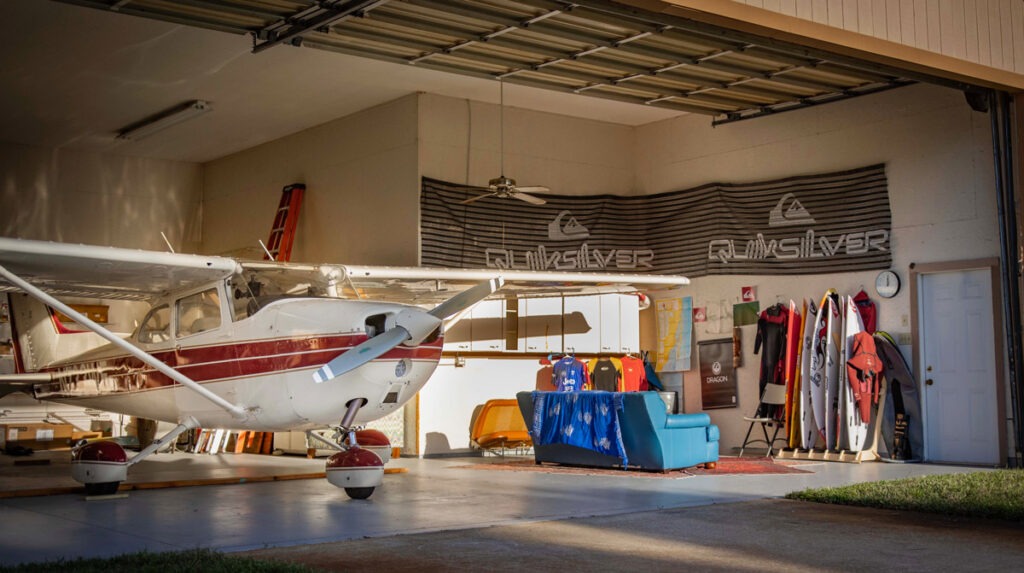
Since purchasing the Cessna, Dunphy has used it to launch strike missions up and down the East Coast, while increasingly turning his attention toward the Caribbean – a region he believes still offers genuine opportunities for exploration.
One particular mission alongside Jimmy Wilson in 2025 caught the attention of the surfing world.
The pair scored a sand-bottom right-hander that looked like a miniature reverse version of Skeleton Bay, a trip Dunphy still describes as the best surf mission of his life.
Since then, he’s returned to the islands repeatedly, often flying solo between tiny airstrips scattered throughout the Caribbean.
And people can’t stop watching.
Dunphy’s social feeds have become filled with cockpit POVs, usually bare foot and in boardies, turquoise blue Caribbean water and empty wedges from above. The clips carry a sense of freedom and wanderlust that cuts through the endless churn of modern surf content.
“Even when I got the plane I didn’t think I’d turn into this surf plane YouTuber,” he laughed. “In this day and age you’ve got to be doing something a little different and I’m super fortunate with how everything has turned out.”
Despite the cinematic aesthetic of the videos, Dunphy insists the missions are surprisingly accessible.
“It’s not quite turn the key and go but it’s closer than you think,” he said. “I take off on a private strip and don’t have to file a flight plan so I can just go and rip it and grip. It feels pretty cowboy style.”
Still, the missions aren’t just content exercises or branding opportunities. At their core, they remain deeply surf-driven.
“I’m constantly scouting for new waves, looking at Google Maps and comparing stuff to the data I’m collecting along the way,” he said.
“The possibilities are endless. I’ve definitely got a few zones on my radar that I’d like to hit. It’s all relatively untouched in the Caribbean. You can go to a lot of places with tiny air strips and land the plane. You won’t see anyone surfing, it’s pretty wild.”
But sometimes Dunphy wishes some friends would join.
“The last two trips I did to the islands on my own and I was by myself the whole time,” he said.
“I’ve got to start getting a buddy to come surf with me more often because it gets kind of creepy.”
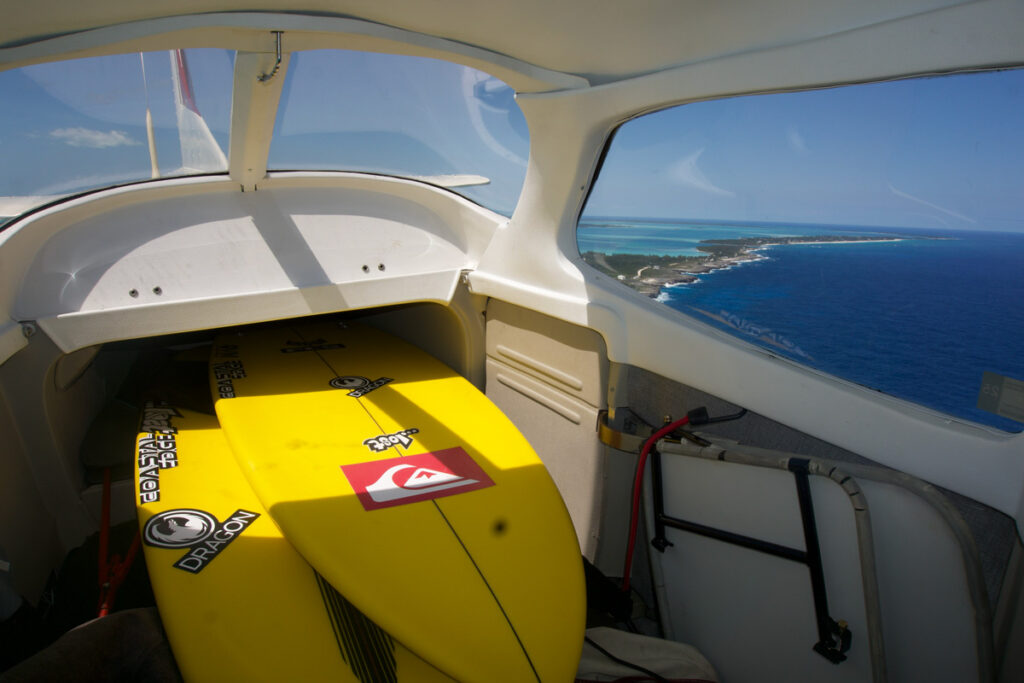
Like any form of exploration, the missions come with risk too. Dunphy admits he’s ‘pushed the envelope’ while learning to navigate weather systems with relatively limited flying experience.
“I’ve definitely flown too close to lightning, dodged thunder storms and ripped through convective juicy clouds that I shouldn’t have, but it’s all experience,” he admitted.
“At first, it was a mad feeling, like ‘holy shit, I’m flying a plane’ but I feel calm and good about it now, I’m super comfortable. My girlfriend will fly with me and just sit there and read a book, it’s super chill.”
Michael said that the sense of achievement from scoring good waves is heightened when you’ve flown to get there.
“It takes the satisfaction to a whole new level. You can find positives in 2ft average waves when you know you found them yourself.”
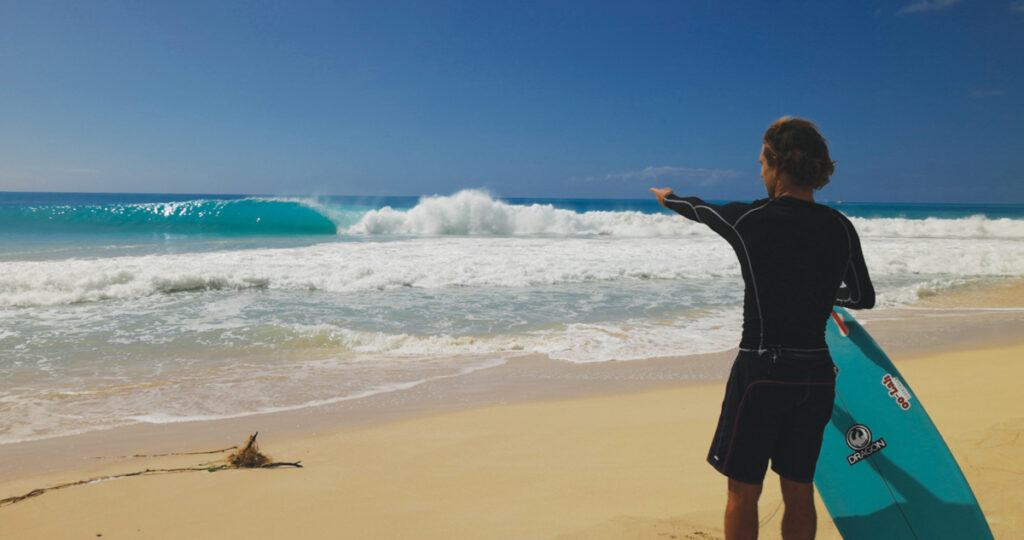
If you needed any more convincing to get your pilots license and buy a plane, Dunphy said the costs ‘aren’t that bad’.
“Granted my plane is small and not the fastest, it’s very much an introductory plane so the prices are affordable. It costs me $500 USD per month for storage, fuel is not much more than a truck and its cheaper for me to fly my plane to these zones than to buy a ticket for a commercial airline to get there.”
For Michael, the Cessna has become a content tool, a source of income and a vehicle for exploration. In an era where budgets are tight and surf teams are being cut, he’s found a way to keep himself relevant and in the driver’s seat.